The Importance of Working With a Restorative Dentist
A restorative dentist does more than repair damaged teeth. These general, cosmetic, and family dentists play a key role in keeping the whole mouth healthy for the long term. They achieve this by keeping track of how teeth, gums, the bite, and the jaw joints work together, rather than focusing only on single problems. With this whole-mouth perspective, patients receive solutions that protect dental health, comfort, and appearance for many years.
A restorative dentist looks at the whole smile, not one tooth
It is common for patients to seek dental care only when a tooth chips or hurts. However, for the best results, it is recommended to see a general, cosmetic, or family dentist regularly for checkups. These appointments include a dental cleaning and an exam to detect potential problems. They also provide the opportunity for patients to bring up any symptoms they are having, such as tooth sensitivity. The dentist can then provide restorative care, as needed.
Keep in mind that this restorative-focused approach involves looking for patterns rather than isolated issues. The restorative dentist will review existing dental restorations, gum health, bite alignment, and areas of wear to see if and why problems are developing. Digital X-rays, photographs, and intraoral cameras help reveal early changes that may not be causing symptoms yet.
Stopping small problems before they grow
Early intervention often determines whether a tooth needs a simple dental filling or a more complex procedure, such as root canal therapy. A general, cosmetic, or family dentist watches for small cavities, hairline fractures, and worn enamel that indicate stress on the teeth. Addressing these concerns early helps preserve more of the natural smile and reduces the risk of sudden tooth pain.
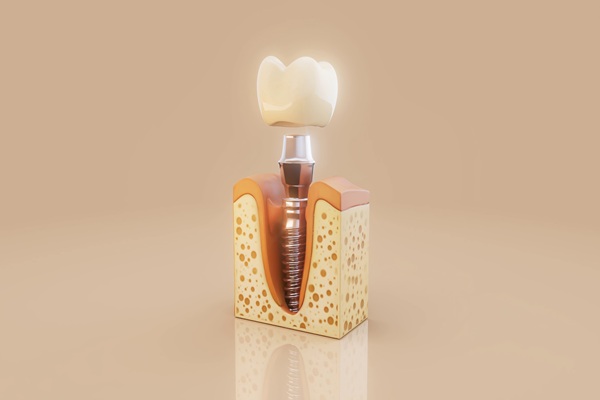
When a tooth needs additional strength, the restorative dentist may recommend dental inlays, onlays, or crowns that reinforce the entire tooth surface. These restorations restore function so that chewing feels stable and comfortable again. This prompt care can help many teeth avoid root canal treatment or even extraction.
Personalized advice on home care can also help prevent oral health problems from growing. This may look like incorporating fluoridated toothpaste or antimicrobial mouthwash into one’s oral hygiene routine. Or, it may mean wearing custom nightguards to protect the teeth from grinding and clenching at night. All of these strategies help keep future dental needs manageable and predictable.
Adapting restorative dentistry to different life stages
Since oral health problems can occur at any age, restorative dentists can typically work and adapt care to younger and older patients alike. For example, children and teens often need dental sealants, small fillings, and careful monitoring as permanent teeth appear and bites develop. On the other hand, adults may seek solutions for cracked teeth, missing teeth, or older restorations that no longer feel comfortable or look nice.
Because one office understands the needs of every age group, treatment plans stay coordinated across the household. The restorative dentist can follow changes over time, anticipate needs, and create a consistent routine of preventive and restorative visits. This continuity builds comfort and trust for every family member.
Contact a restorative dentist
Restorative dentistry is most effective and comfortable when done early. Patients who commit to regular restorative and preventive care usually need less extensive work than those who wait for symptoms to arise before booking an appointment. If you suspect an oral health problem or are due for your next checkup, schedule an appointment with our Long Beach team today.
Request an appointment here: http://lbfamilydental.com or call Leila Zamiri DDS at (562) 453-1214 for an appointment in our Long Beach office.
Check out what others are saying about our dental services on Yelp: Restorative Dentist in Long Beach, CA.
Recent Posts
Many people can avoid the need for restorative dentistry through good oral hygiene. However, accidents happen. This review covers how a restorative dentist can help after a traumatic accident.Every dentist offers their own set of restorative dentistry procedures. Some of the more commonly offered treatments are tooth replacement, repair for damaged teeth, and periodontal treatment,…
A restorative dentist is concerned with dental procedures that provide pain relief and the restoration of oral function in patients suffering from dental problems. Restorative dentistry treatments are becoming more popular due to their ability to mimic the natural look of your teeth. The goal is to restore normal functions and give you a smile…
The term, “dental restoration,” encompasses a variety of procedures from which anyone, not just individuals with missing or broken teeth, can benefit. Restorative dentistry may entail filling a tooth, placing a crown, installing a bridge, or replacing missing teeth. Due to the broad definition of the term, many people wonder when a dental restoration is…
A dental restoration can restore, renew and even replace teeth that are in bad shape. They are often used to repair teeth that have been lost, decayed or even slightly damaged from a chip or a crown. However, with all dental restorations, comes the possibility that it may not work, which is why it is…